
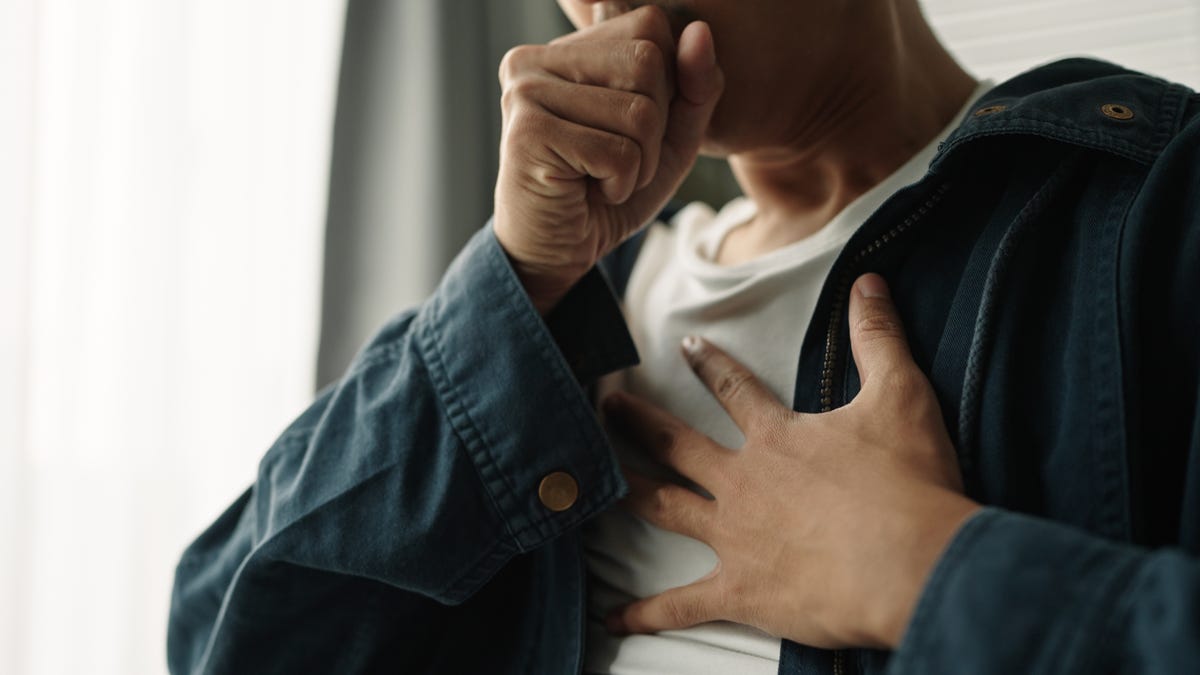

Lung cancer survival rates are increasing, but disparities remain
New data from the American Lung Association shows an increase in survival rates for lung cancer patients jumping 22% over the last five years.
Scripps News
Lung cancer is the leading cause of cancer deaths in the United States, and the second most common cancer diagnosis, according to the National Cancer Institute.
Smoking is the number one risk factor for lung cancer, but it’s certainly not the only cause. People who have quit smoking, and those who have never smoked, could still have an elevated risk.
We asked an expert to break down the top causes of lung cancer, when to get screened and the everyday actions you can take to lower your risk for the disease.
What is lung cancer?
“Lung cancer is an abnormal proliferation of cells within the lung,” says Dr. Saiama N. Waqar, a professor of medicine at Washington University School of Medicine in St. Louis and thoracic medical oncologist at Siteman Cancer Center. There are many different types of the disease, but non-small cell lung cancer (NSCLC) and small cell lung cancer (SCLC) are the two most common, she says.
As cancerous cells grow out of control, they begin to impede the function of the lungs, which could present as shortness of breath and coughing up blood. “These tumors can gain the ability to spread,” and if they are not caught early enough, could travel to the lymph nodes, brain, bones, liver and adrenal glands, says Waqar.
What causes lung cancer?
“The biggest risk for lung cancer is cigarette smoking,” says Waqar. It’s estimated that 85% of lung cancer deaths are smoking-related, according to the American Cancer Society (ACS). Former smokers are also still at risk. “Even if somebody quits (smoking), their risk doesn’t go to zero. They still need to be evaluated,” says Waqar.
It’s also possible to develop lung cancer even if you’ve never smoked. For instance, exposure to secondhand smoke for prolonged periods of time puts you at an elevated risk. “A person might not be putting cigarettes to their mouth themselves, but might be living with a significant other or family member who is a heavy smoker,” says Waqar. Other non-smoking risk factors for lung cancer include exposure to asbestos or radon gas, and changes in your genes (whether inherited or acquired), per the ACS.
Who should receive screening for lung cancer?
Screening for lung cancer is paramount. “The quicker a person can be diagnosed, the better the chances that they can catch this early,” says Waqar. “Then, if (lung cancer is) caught early, the chances of survival and cure become more as well.”
In 2023, the ACS adjusted the screening guidelines for lung cancer to broaden its scope. The organization recommends anyone between the ages of 50 to 80 be screened for lung cancer if they currently smoke, used to smoke, have at least 20 “pack-years” and have no symptoms.
Health experts can quantify the amount a patient has smoked using “pack-years.” This metric is determined by “the number of packs (smoked) per day, multiplied by the total number of years (a patient) smoked,” says Waqar.
What actions can you take to prevent lung cancer?
Over the last few decades, survival rates for lung cancer have drastically improved. Experts attribute this trend to a few factors: people are smoking less, early detection and screening has improved and there have been many more advancements in treatment options, according to a 2025 cancer statistics report published in CA: A Cancer Journal for Clinicians.
To reduce your risk of lung cancer, the No. 1 action you can take is to not smoke. “If you’re not smoking right now, don’t smoke. And if you are smoking, quit smoking,” says Waqar. The U.S. Centers for Disease Control & Prevention has provided resources to help quit smoking, including access to counseling services. Where possible, you should also try to avoid secondhand smoke.
Additionally, because exposure to radon gas and asbestos are risk factors for lung cancer, the CDC recommends getting your home tested for radon, and taking measures to reduce occupational exposures to carcinogens like asbestos.
link