
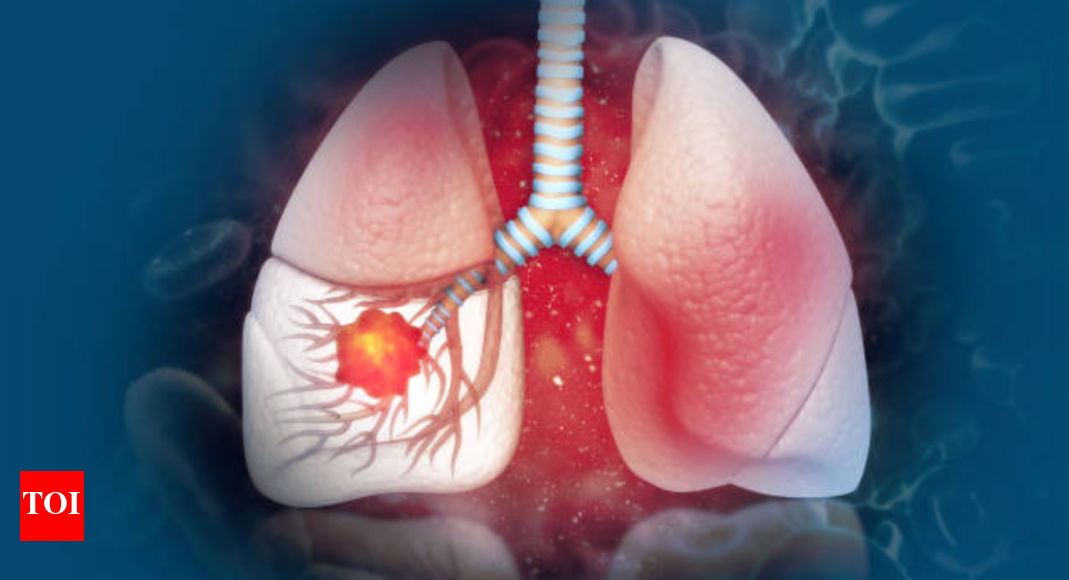
Exposure to second hand smoke, also known as passive smoke or environmental tobacco smoke, is a serious health concern that can increase the risk of lung cancer in non-smokers. Second hand smoke is a mixture of two types of smoke: mainstream smoke exhaled by smokers and sidestream smoke emitted by burning tobacco products. This toxic combination contains over 7,000 chemicals, including about 70 known carcinogens. The mainstream smoke contains higher concentration of nicotine and other cancer causing agents. The chemicals in secondhand smoke can linger in the air and on surfaces, contaminating indoor environments and posing a health risk to non-smokers. This residual smoke, known as third hand smoke, can also damage human DNA and potentially increase lung cancer risk.There is very minimal awareness about second hand smoke and related health issues. Second hand smoke exposure was associated with a 24% increased risk of lung cancer. The risk is higher with greater intensity, longer duration, and more pack-years of smoke exposure. Exposure occurs at home, work place and public spaces. Work place exposure is always on the higher side. Second hand smoke affects everyone, but certain groups are more vulnerable to its risks. These include – Exposure to second hand smoke during pregnancy can increase the risk of low birth weight, slowed growth, and health problems during childhood, such as leukemia, lymphomas, and brain tumors. Second hand smoke exposure can lead to sudden infant death syndrome (SIDS), asthma, pneumonia, bronchitis, ear infections, and breathing problems. The developing lungs and immune systems of the children make them particularly susceptible.Exposure to second hand smoke can increase the risk of still birth, premature birth, and other complications during child birth.Those with respiratory diseases like asthma or chronic obstructive pulmonary disease (COPD) can experience worsened symptoms and increased risk of complications. Even healthy non-smoking adults can develop heart problems, lung cancer, and other health issues due to secondhand smoke exposure. Heated Tobacco Products (HTPs), E-Cigarettes, Nicotine Pouches.
Protecting yourself and others
To mitigate the risks associated with secondhand smoke, create a smoke-free environment. Quit smokingProhibiting family members and people with close contact, from smoking indoors.Advocate smoke free policies at the workplace.Opt travelling to smoke free areas.It’s crucial to raise awareness about the importance of smoke-free policies and promote public health initiatives to reduce the burden of lung cancer and other smoking-related diseases. The health impact of these products are still being studied, but evidence suggests they can increase the risk of heart disease, lung disorders, and other health problems in all age groups.Dr. Aswathy Thazhakottuvalappil, Consultant, Department of Respiratory Medicine, KIMSHEALTH Trivandrum
link