
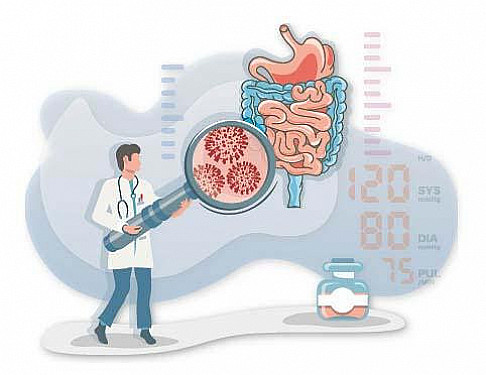
Your gut microbiota — the trillions of tiny bacteria, viruses, and fungi dwelling deep within your intestinal tract — play a big role in your health. Beyond helping with digestion, these microbes also make certain nutrients and release substances that have wide-ranging effects throughout the body, including on the cardiovascular system.
A wealth of evidence shows a strong connection between the gut microbiota and blood pressure, according to a science advisory from the American Heart Association published July 17, 2025, in Hypertension. Over all, the findings support what nutrition experts have long advocated: eat a diet rich in whole, plant-based foods, which are naturally low in sodium and high in fiber, says Dr. Frank Hu, professor of nutrition and epidemiology at the Harvard T.H. Chan School of Public Health.
“A high-sodium diet is an important cause of high blood pressure, and one possible mechanism may be mediated through the gut microbiome,” says Dr. Hu. Research shows that a salty diet increases the prevalence of bad microbes and reduces the number of beneficial microbes. When bad microbes accumulate in the gut, they form breakdown products and toxins that promote inflammation.
Prebiotics
But when beneficial microbes prevail, they need to feed on fiber, especially prebiotic fiber, which is not digested by your body but instead broken down in your lower intestine. That’s why a diet that provides a mix of healthy fiber from vegetables, fruits, whole grains, beans, nuts, and seeds is so important, says Dr. Hu, who serves on the advisory committee of the Harvard Chan Microbiome in Public Health Center.
Another good source of prebiotic fiber is resistant starch, which forms in starchy foods like potatoes, rice, and pasta when they’re cooked and cooled overnight, he adds. The cooling process converts some of the starch that would normally be broken down in your small intestine into a form that instead feeds the bacteria in your large intestine.
Well-nourished beneficial bacteria in your gut churn out short-chain fatty acids, including acetate, propionate, and butyrate. These compounds then circulate through the bloodstream, where they’re thought to interact with specific receptors on cells that help regulate blood pressure, Dr. Hu explains.
The power of polyphenols
Many plant-based foods — especially berries, tea, coffee, cocoa, and extra-virgin olive oil — are rich in compounds known as polyphenols. “These compounds also have a positive influence on the composition and function of your microbiome,” says Dr. Hu. When polyphenols are metabolized in the gut, they create all kinds of small molecules that affect the function of your immune and nervous systems. The result is a decrease in inflammation and better blood vessel function, both of which can improve blood pressure control.
Probiotics
Probiotics found in fermented foods and drinks can also support a healthy microbiota. Try adding a variety of the following products to your diet, Dr. Hu suggests.
Yogurt and kefir. Look for the words “contains live cultures” when choosing yogurt or kefir (a yogurtlike drink with a tart flavor and a thinner consistency).
Kombucha. This fizzy, tart, slightly sweet drink is made from fermented tea and often flavored with fruits and herbs. Look for brands without added sugar.
Pickles and sauerkraut. Find these in the refrigerated section of the supermarket and check for the words “naturally fermented” on the label.
Kimchi. This spicy, reddish fermented cabbage dish from Korea is made with a mix of garlic, salt, vinegar, and chili peppers.
Miso. A strong, salty paste made from soybeans fermented with brown rice, miso is popular in Japanese cuisine.
Tempeh. This firm, chewy product made from fermented soybeans has a firmer texture than tofu.
Skip the supplements
What about probiotic supplements sold over-the-counter as pills, capsules, or powders? They are not carefully regulated, and the amount of live bacteria can vary substantially from one product to another, says Dr. Hu. “While some probiotic supplements have modest benefits for specific gastrointestinal conditions, there is little evidence that they are effective in preventing chronic diseases like hypertension. I’d recommend spending your money instead on a healthy diet that’s naturally rich in prebiotics and probiotics,” he says.
Image: © Grafissimo/Getty Images
link