


One in five mothers experiences a maternal mental health condition during pregnancy or after childbirth, yet more than 75% of those struggling go untreated, putting both parents and babies at risk for short- and long-term health issues.
Stigma is part of the problem, but even those ready to get help often face significant obstacles due to a complex healthcare system. Mental health services have traditionally existed outside the broader medical system, making it difficult for people to access the right care at the right time. This challenge is especially pronounced for new parents, who are adjusting to significant life changes that come with caring for a newborn, such as physical recovery from birth, sleep deprivation and numerous medical appointments.
Breaking stigma with screenings
One way to make mental health care easier to access is to screen for it during regular prenatal and postnatal visits. The American College of Obstetricians and Gynecologists recommends three screenings for depression and anxiety. However, a complication-free pregnancy typically involves 10 to 15 prenatal appointments, offering many opportunities to integrate behavioral health screenings into routine care with a trusted provider.
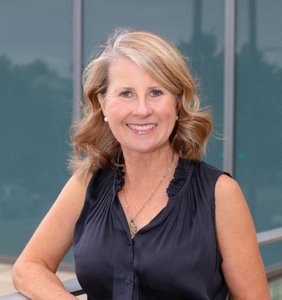
Jennifer Christian-Herman, Blue Shield of California
“Mental health care should be a standard part of maternal care, not an add-on. By integrating behavioral health screenings with obstetrics, we reinforce the idea that mental health is just as important as physical health, which reduces stigma,” said Jennifer Christian-Herman, vice president of Clinical Strategies and Programs at Blue Shield of California and board member of the Policy Center for Maternal Mental Health.
Integrating screenings into the obstetric setting is particularly effective for identifying common conditions such as anxiety and depression. By embedding behavioral health care within pregnancy or postnatal visits, providers can reach people who might not otherwise seek support, ensuring timely intervention and better outcomes.
Care that goes beyond screening
Screening serves as the crucial first step in identifying whether a patient may need additional treatment, but what comes after that is equally important.
“Parents need an ecosystem of care once we get that ‘yes’ answer from the behavioral health screening. We also need to help our patients navigate this ecosystem that we’ve created, otherwise we’re not really helping them,” said Christian-Herman.
Blue Shield of California has worked with provider groups to implement Collaborative Care, a model that integrates behavioral health into primary and maternal care. Backed by more than 20 years of research, Collaborative Care has been shown to improve clinical outcomes, expand access, and enhance patient and provider satisfaction.
In Collaborative Care, a team of medical professionals works together to support each patient. When a pregnant or postpartum patient screens positive for a behavioral health concern during a maternal care visit, a dedicated Behavioral Health Care Manager steps in to coordinate follow-up care. This team-based approach helps patients access vital behavioral health support, such as therapy or a psychiatric consultation, while allowing their physician to remain focused on the patient’s overall health and well-being.
Building better systems for moms and families
Creating a system like this isn’t easy. It requires up-front financial investment, as well as a comprehensive change-management plan, physician champions and engaged staff to ensure long-term sustainability. But it works, and Blue Shield is committed to making it more widely available.
In 2023, Blue Shield supported Providence Health to build a Collaborative Care program focused on maternal mental health in Northern California. Additionally, Blue Shield has funded a project with the California Quality Commission to bring payer and provider partners together to expand Collaborative Care across the state in primary care settings. Since the program began two years ago, the number of Blue Shield of California members with access to Collaborative Care has grown from 413,000 to 1.6 million.
Ultimately, when medical groups adopt Collaborative Care, all patients at the facility benefit, regardless of their health plan membership.
“I want to challenge other health plans to be a partner in advancing the integration of behavioral health, particularly for the benefit of mothers and their families. Let’s do our part to make sure all Californians receive the care they deserve,” said Christian-Herman.
Resources
- If you’re concerned about your mental health, contact your doctor, OB-GYN, or call or text the National Maternal Mental Health Hotline at 1-833-TLC-MAMA (1-833-852-6262).
- Many Blue Shield of California members have access to Maven, a virtual women’s and family health clinic that provides unlimited virtual appointments with clinical practitioners, including behavioral health specialists.
- Blue Shield members can access self-guided mental health resources and search for a provider on the Mental Health Resource Hub.
link